

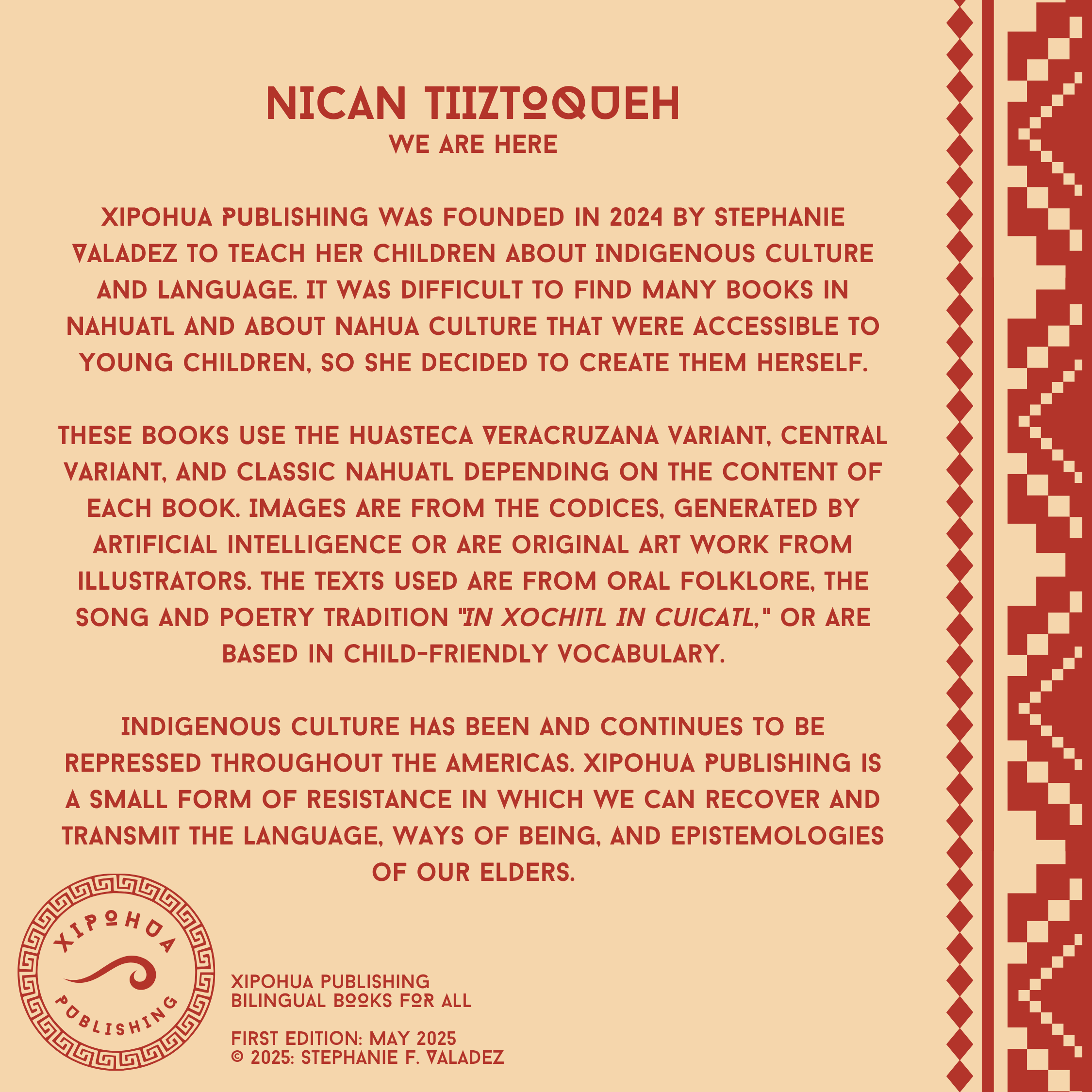
NICAN TIIZTOQUEH (WE ARE HERE/AQUÍ ESTAMOS)
Xipohua Publishing was founded in 2024 by Stephanie Valadez to teach her children about Indigenous culture and language. It was difficult to find many books in Nahuatl and about Nahua culture that were accessible to young children, so she decided to create them herself.
These books use the Huasteca Veracruzana variant, Central variant, and Classic Nahuatl depending on the content of each book. Images are from the codices, generated by artificial intelligence or are original art work from illustrators. The texts used are from oral folklore, the song and poetry tradition “In Xochitl In Cuicatl,” or based in child-friendly vocabulary.
Indigenous culture has been and continues to be supressed throughout the Americas. Xipohua Publishing is a small form of resistance, in which we can recover and transmit the language, ways of being, and epistemologies of our elders.
HUEYCUETZPALIN, ¿TLEN IIXNEZCA? DINOSAURIO, ¿DE QUÉ COLOR ES? / DINOSAUR, WHAT COLOR IS IT?


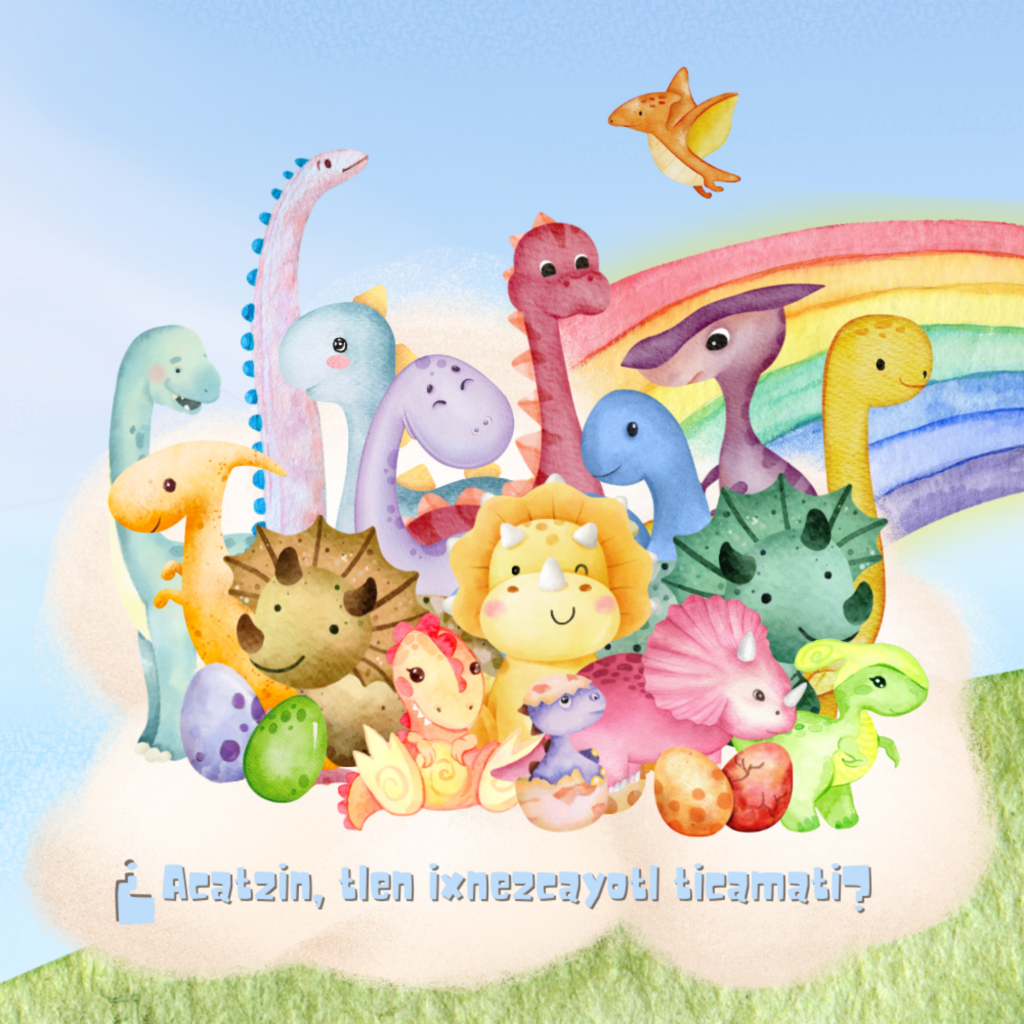
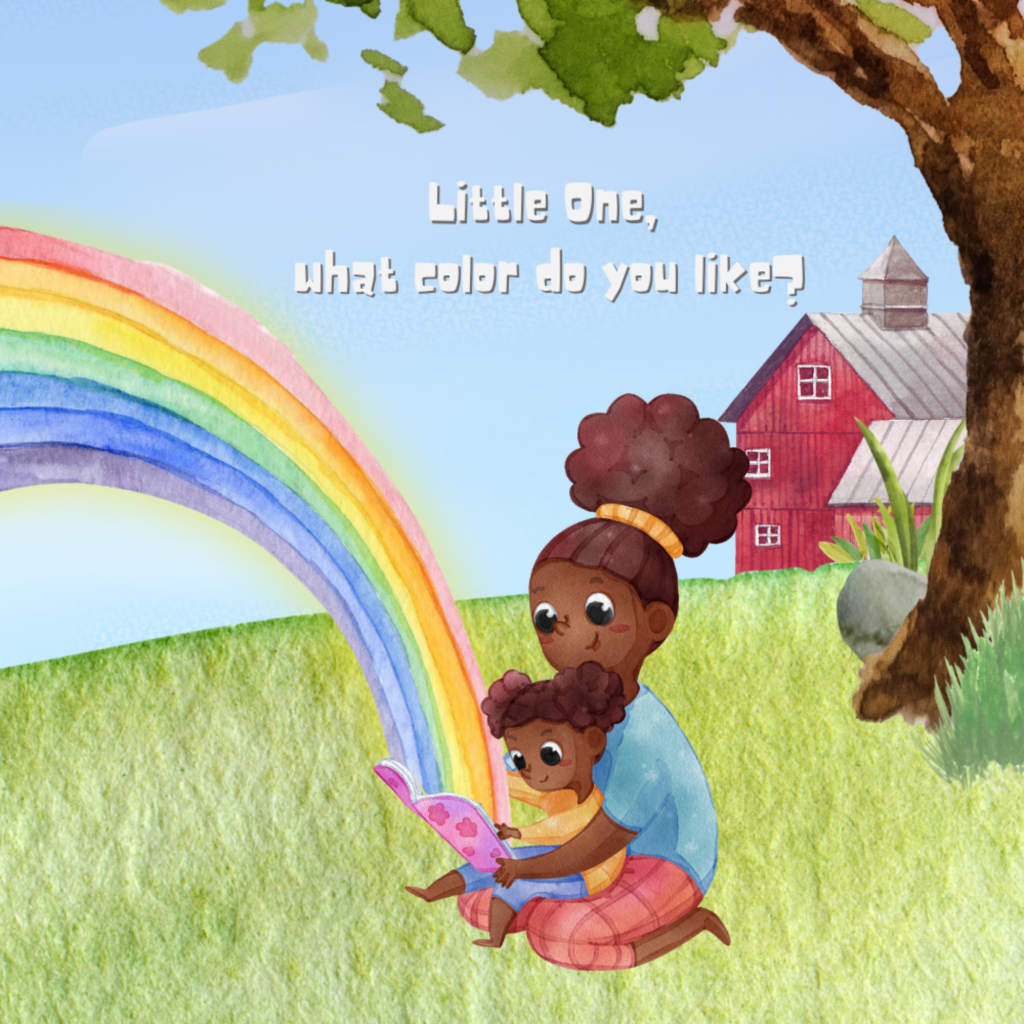

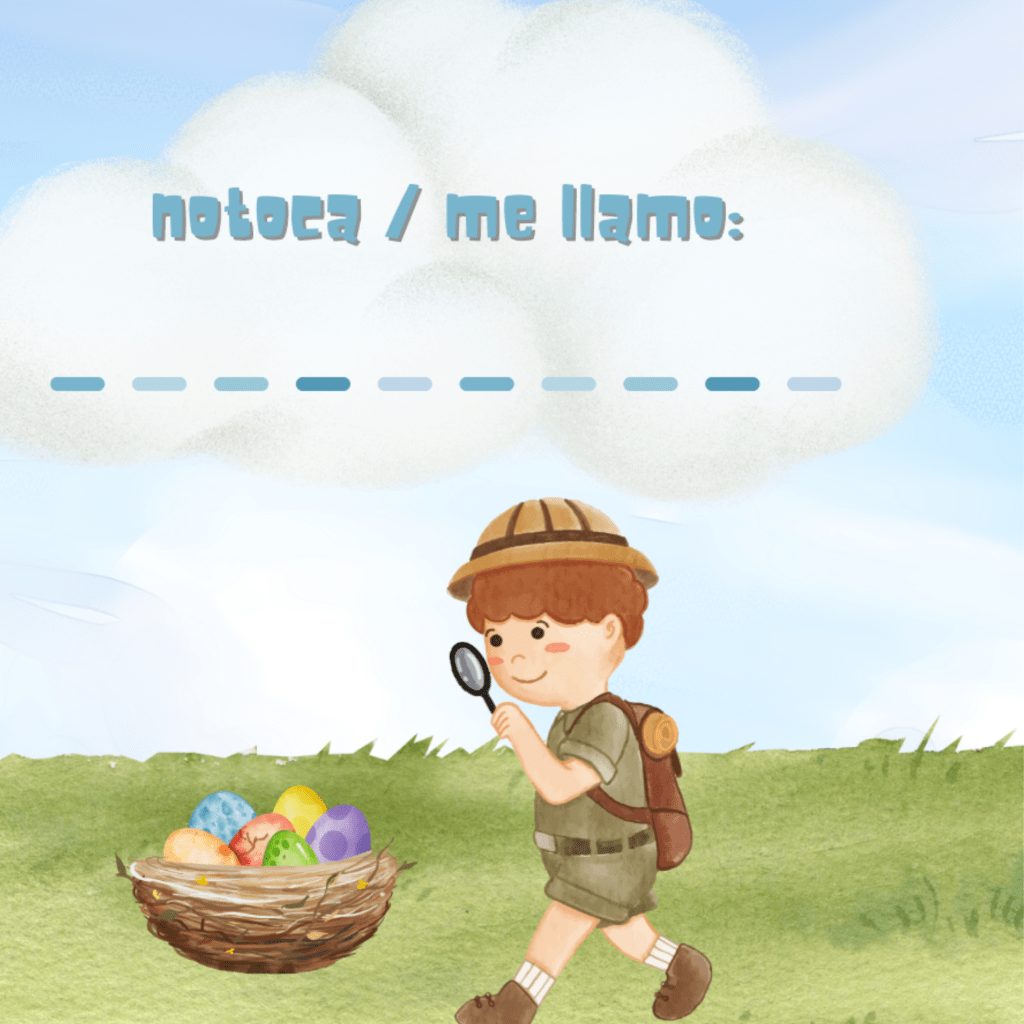
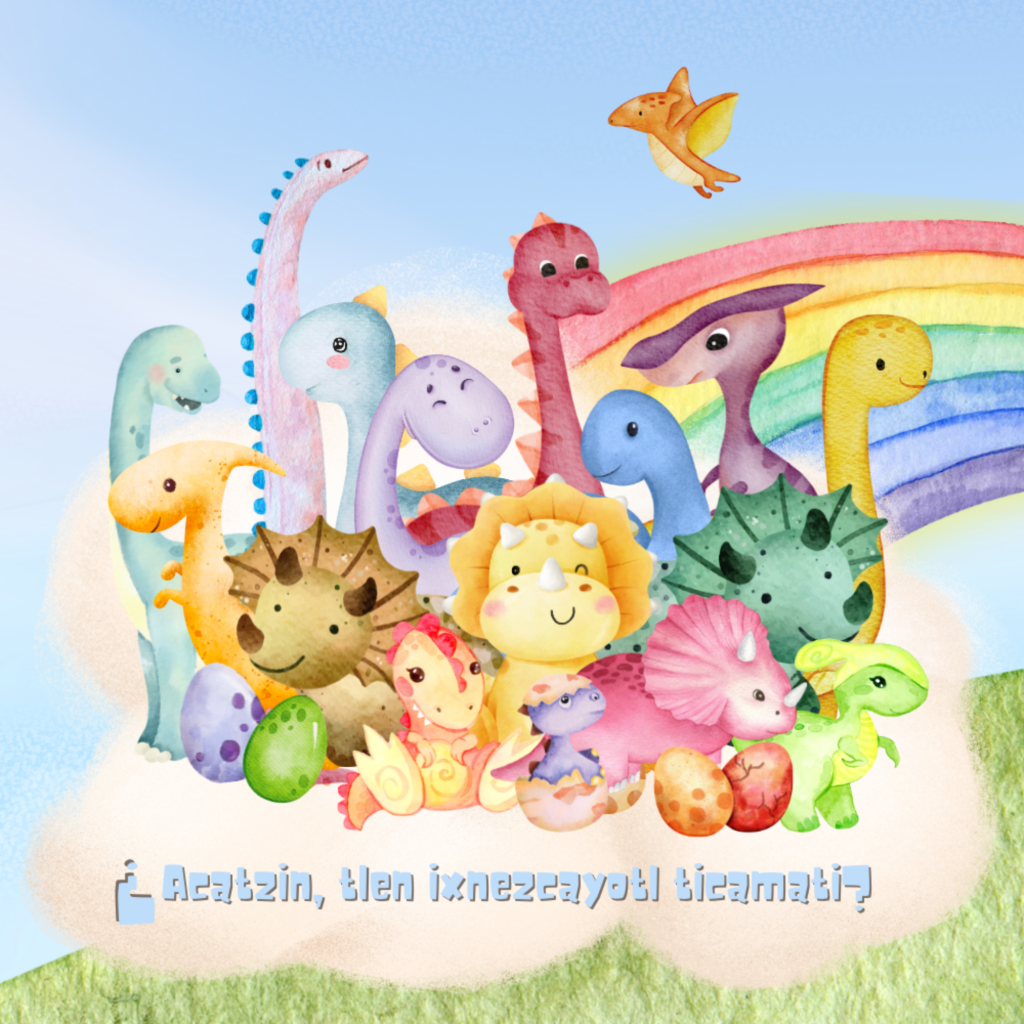
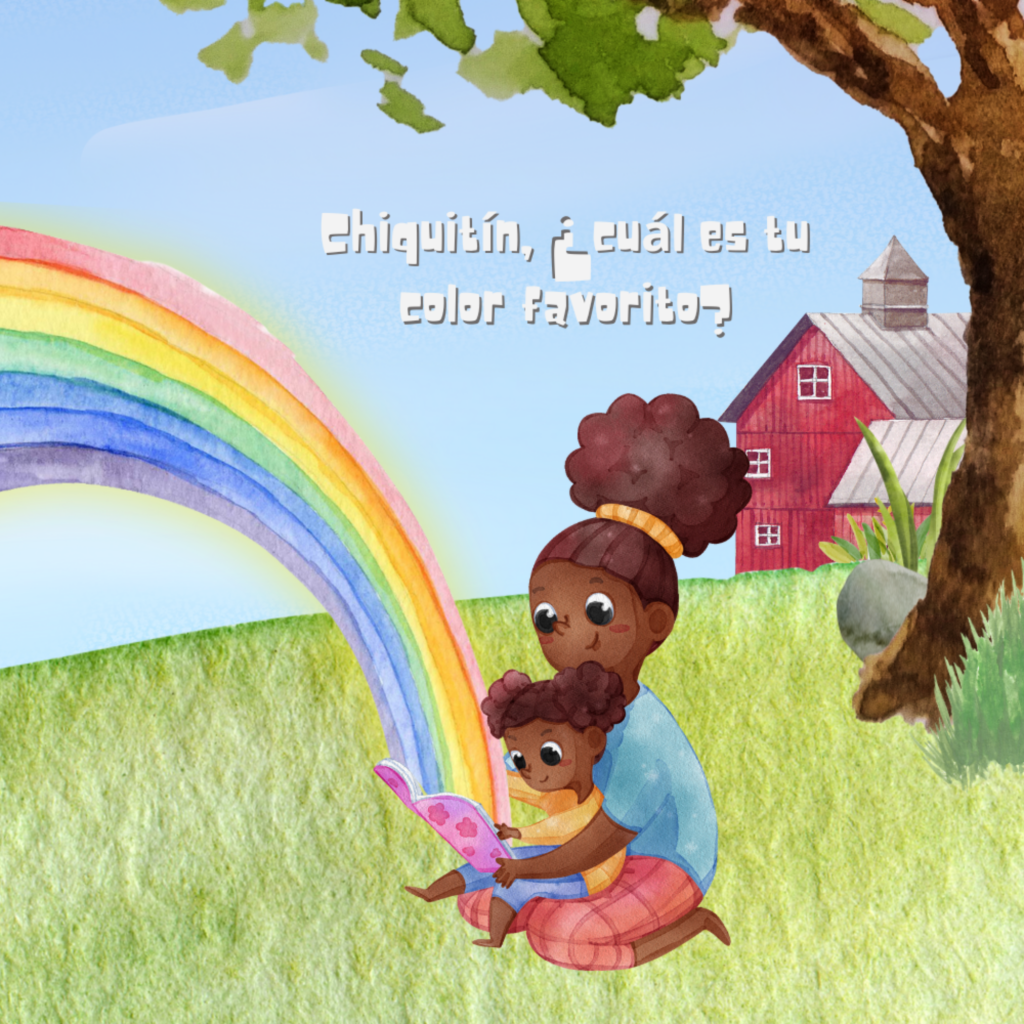

in Nahuatl-English and Nahuatl-Español
YOLCAMEH Series
The “Yolcameh” series features 4 books in two language sets, each focusing on a different type of living creature; Domestic Animals, Wild Animals, Birds, and Bugs & Insects.
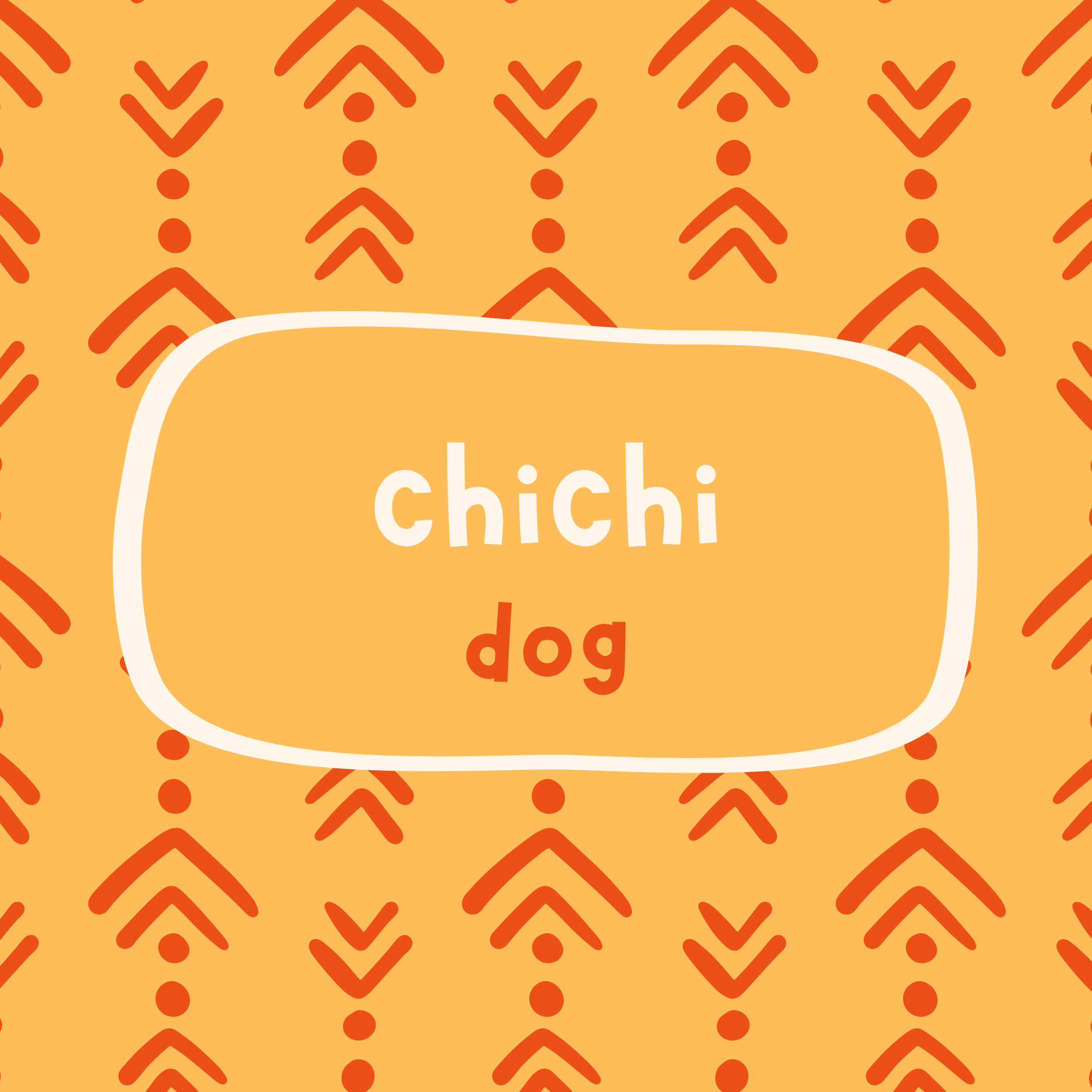
TLAPIYALLI: DOMESTIC ANIMALS / ANIMALES DOMÉSTICOS
in Nahuatl-English and Nahuatl-Español






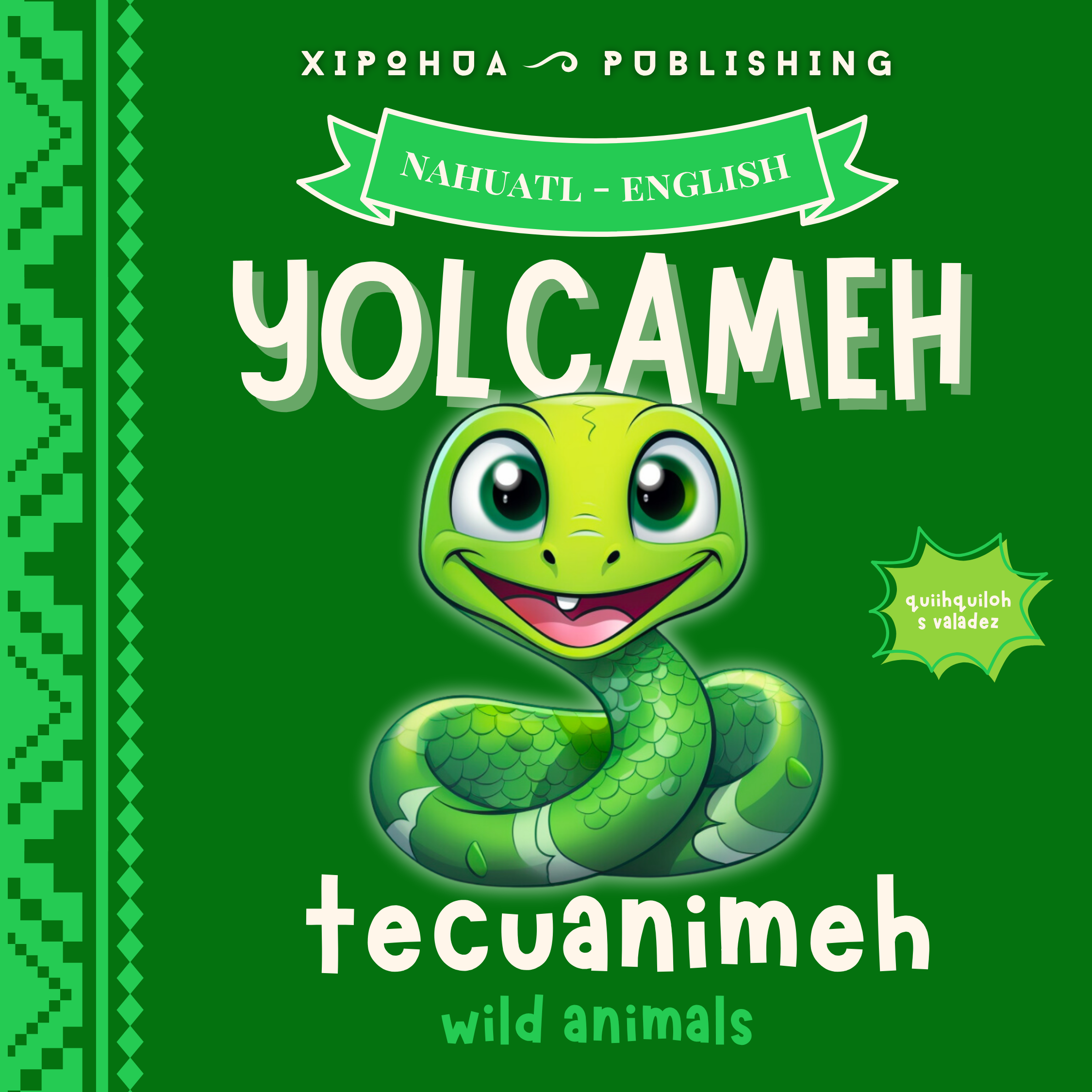
TECUANIMEH: WILD ANIMALS / ANIMALES SILVESTRES
in Nahuatl-English and Nahuatl-Español





TOTOMEH : BIRDS / AVES
in Nahuatl-English and Nahuatl-Español





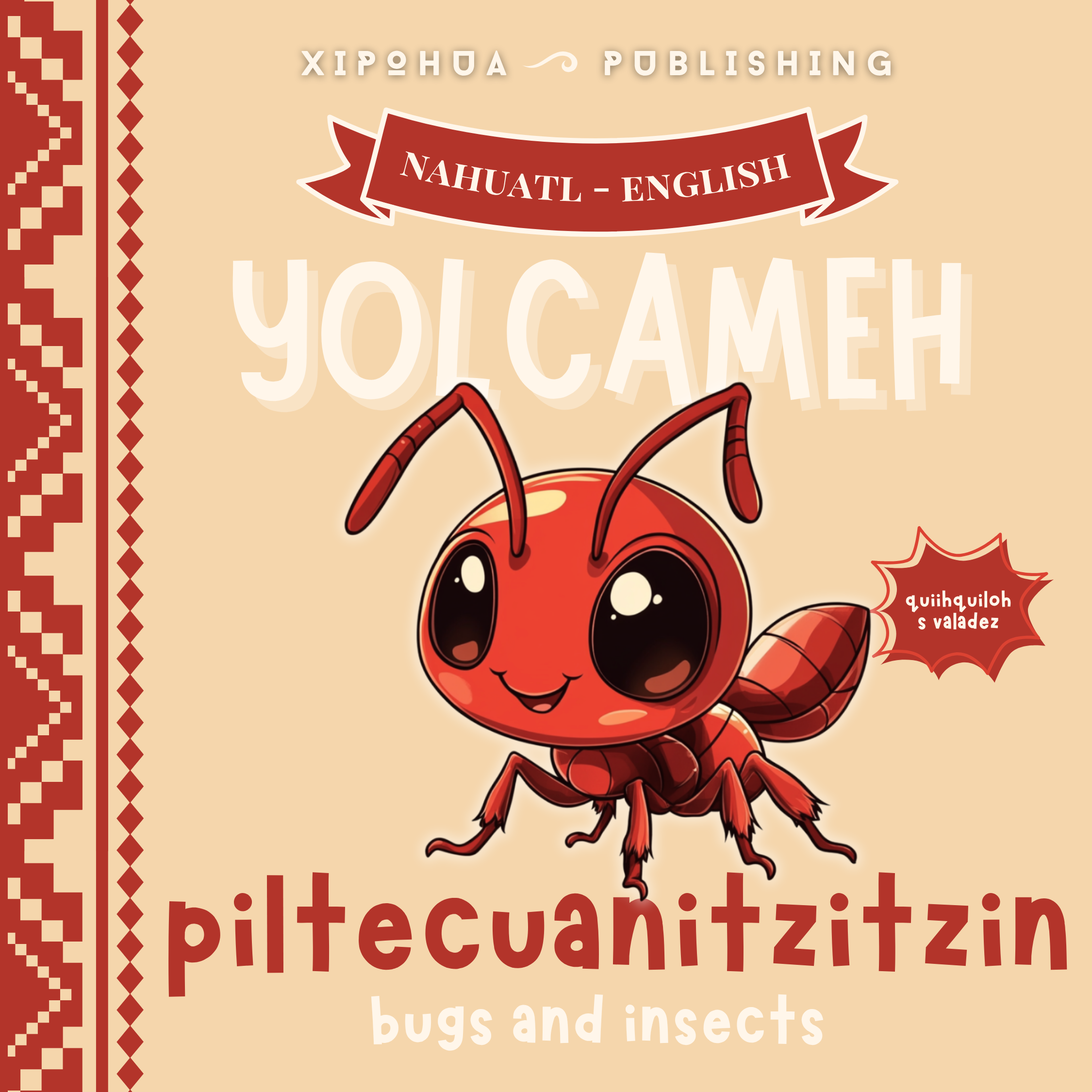
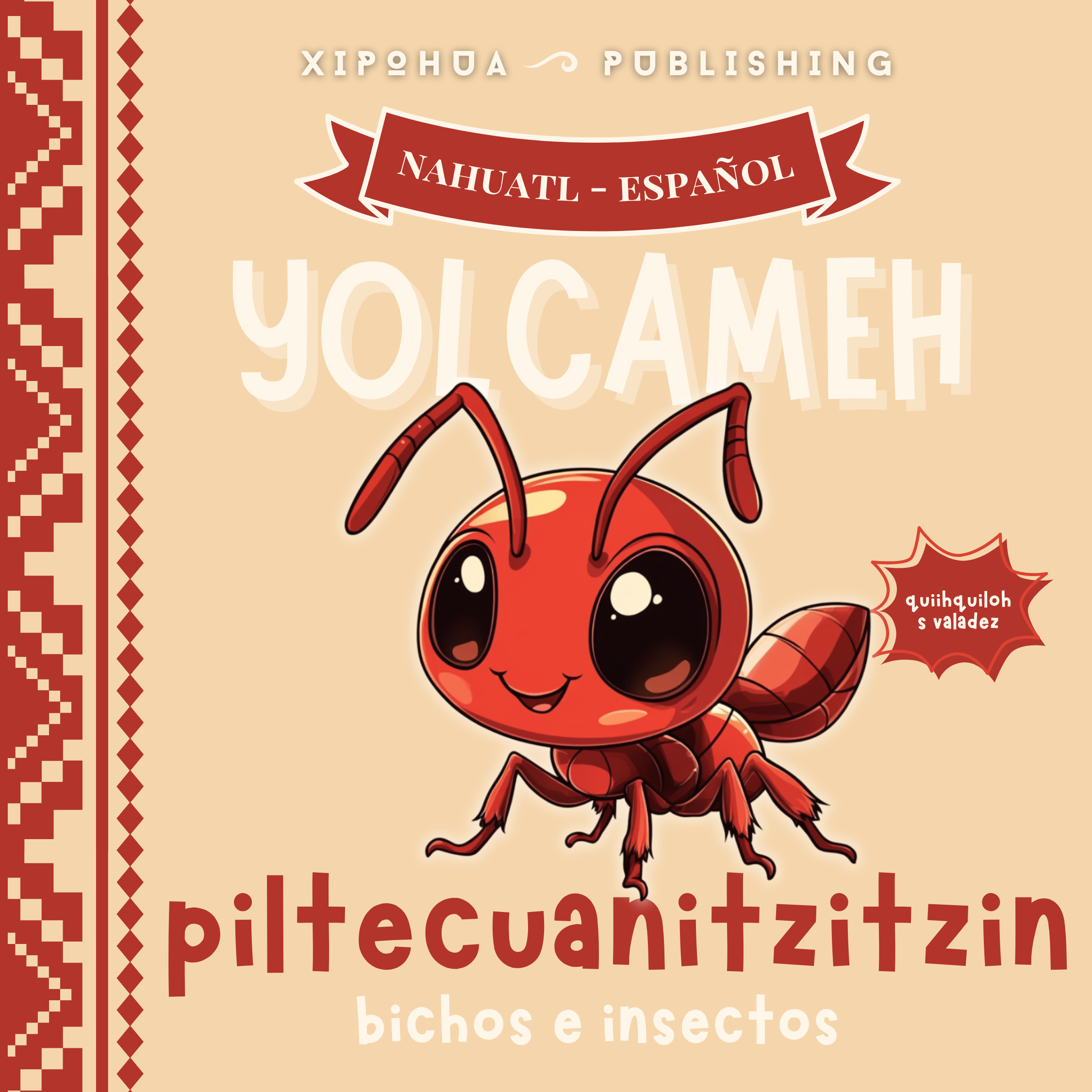
PILTECUANITZITZIN: BUGS AND INSECTS / BICHOS E INSECTOS
in Nahuatl-English and Nahuatl-Español





IN XOCHITL IN CUICATL Series
The “In xochitl in cuicatl“ series features beautiful songs and poems from the Nahua tradition in a trilingual format (translated from Nahuatl to English and Spanish). This series focuses on passing down the beautiful tradition of storytelling and song.
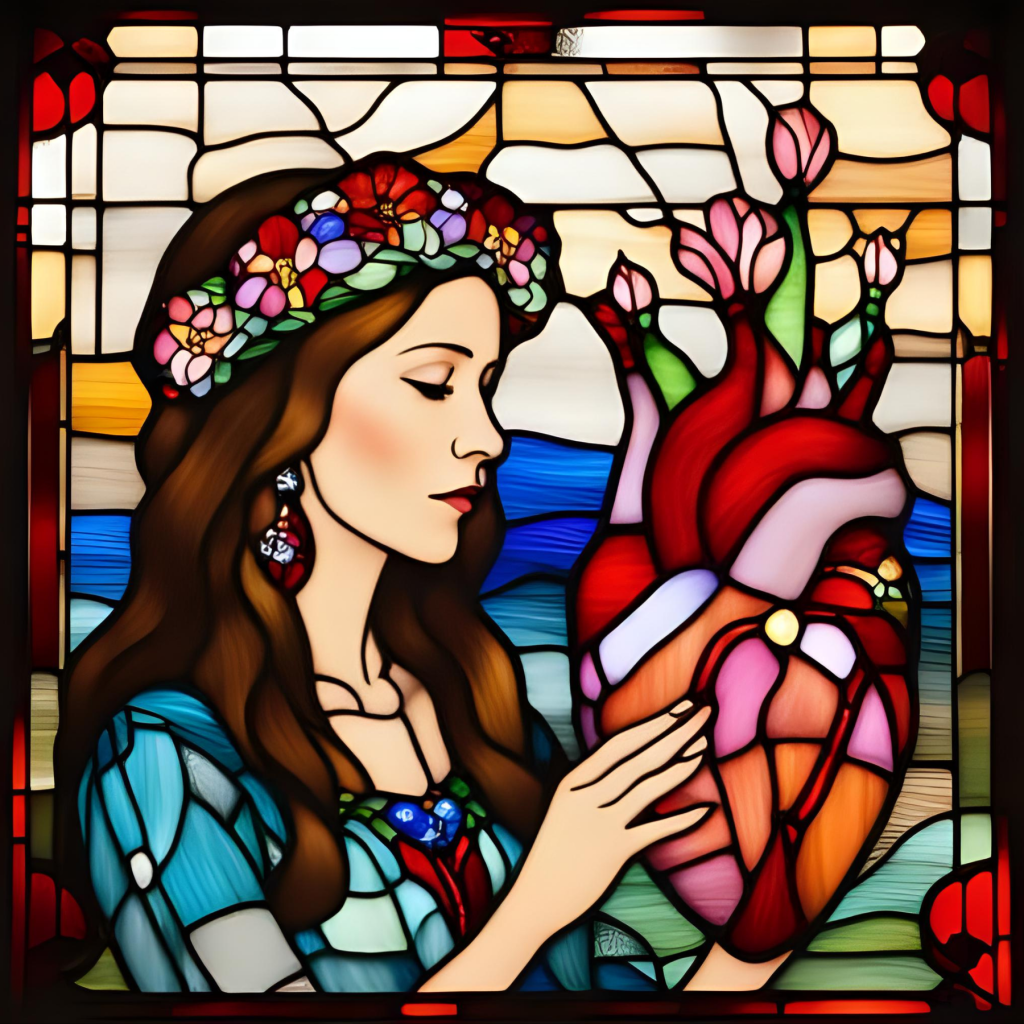
XIQUIYEHUA: GUÁRDALA
in Nahuatl-Español



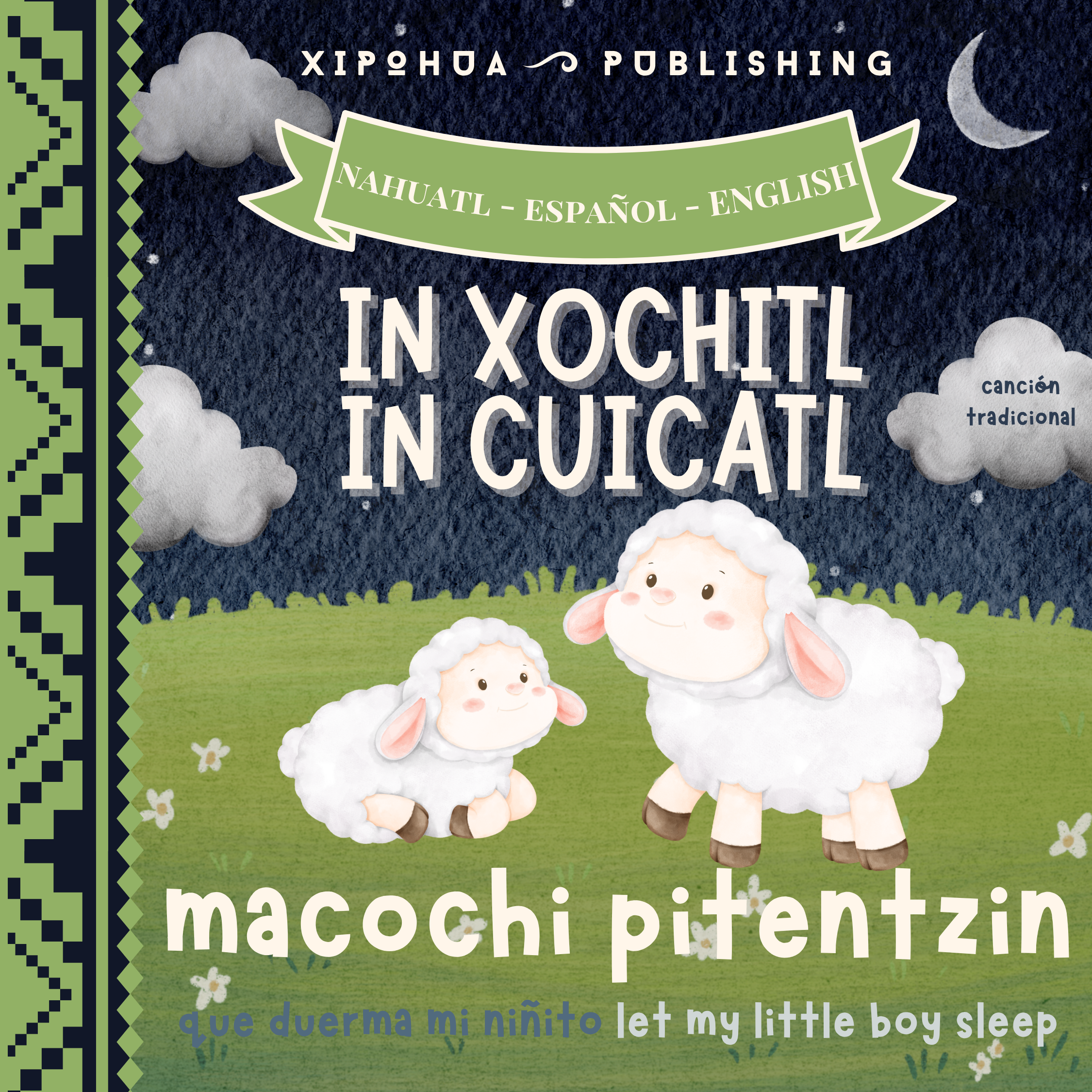
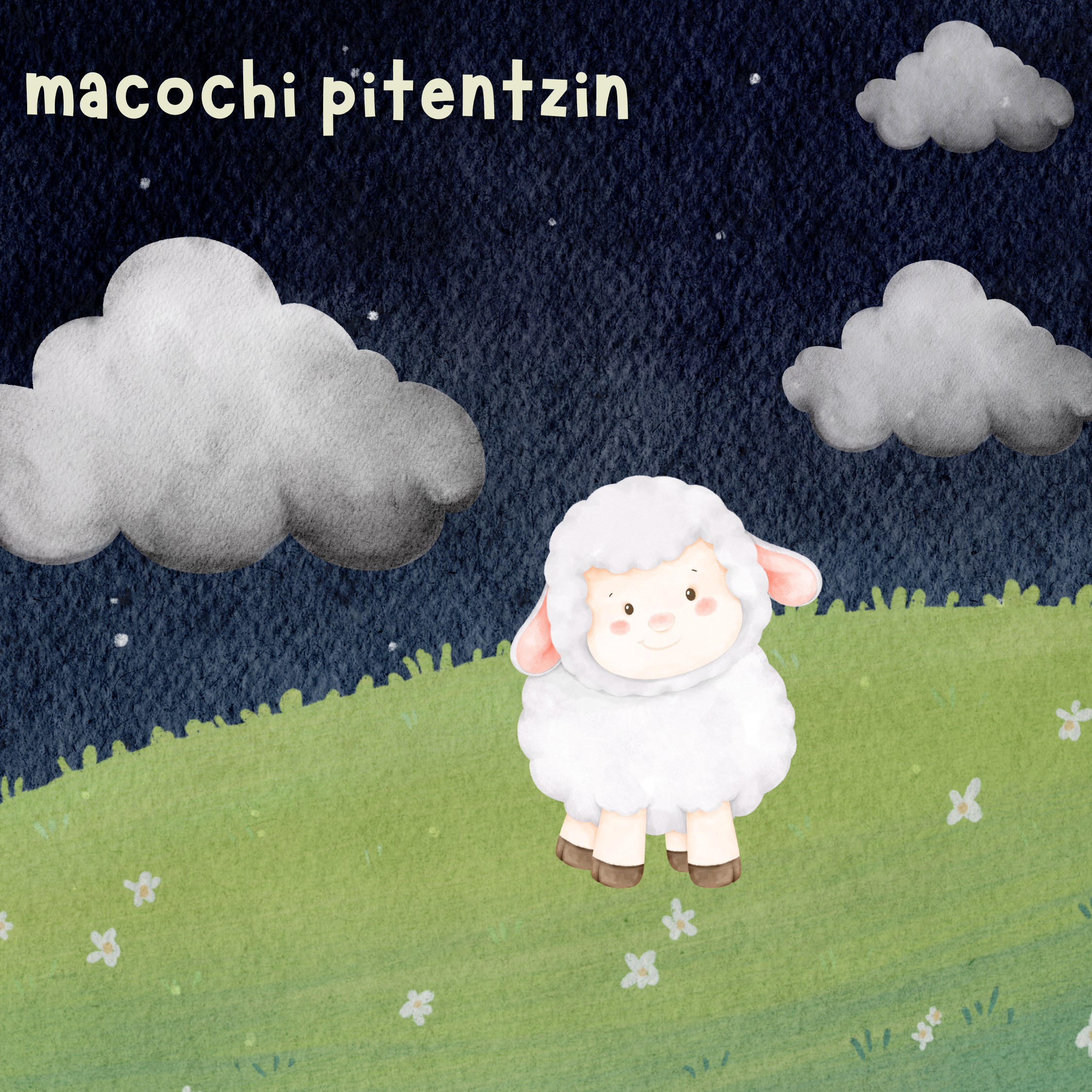
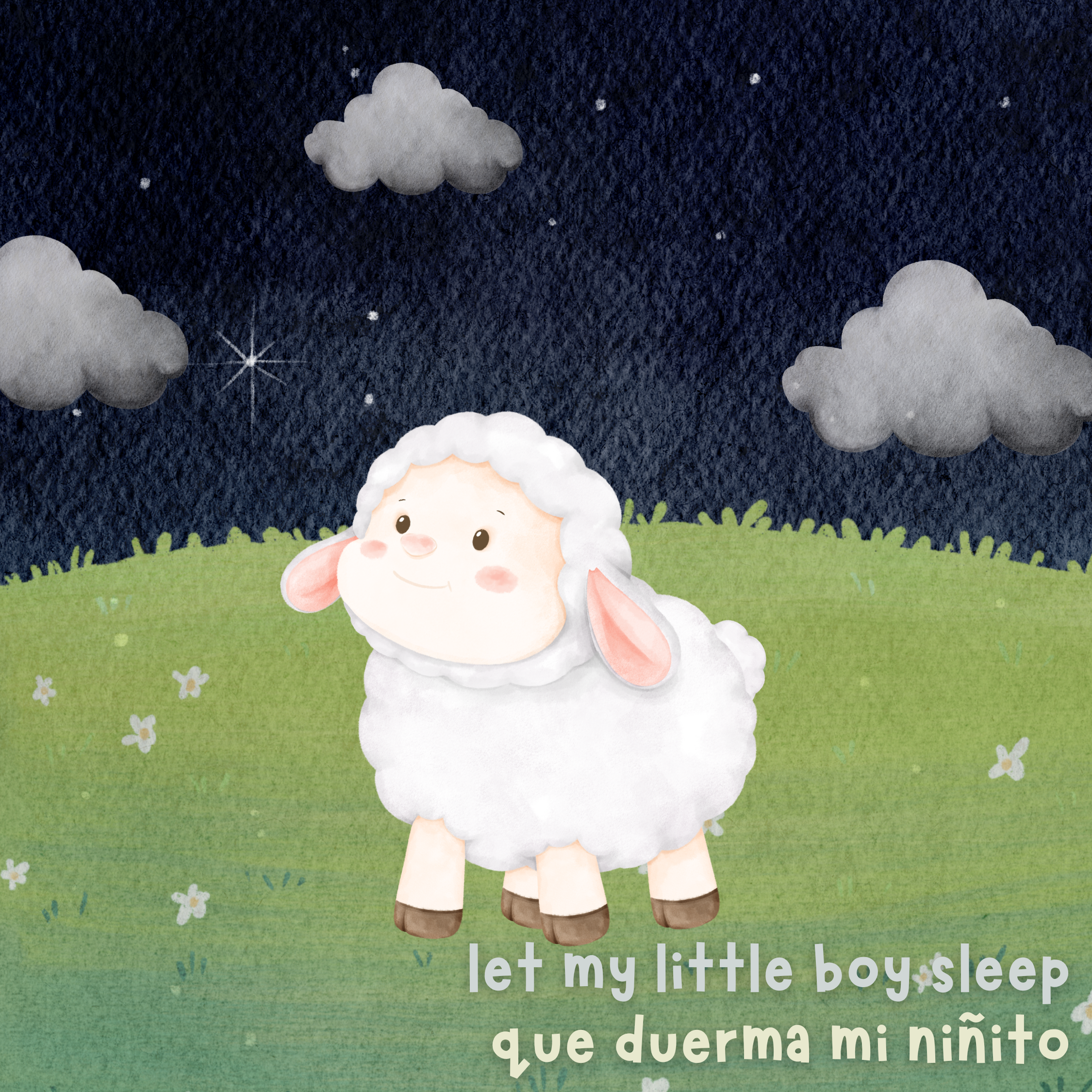
MACOCHI PITZENTZIN: QUE DUERMA MI NIÑITO / LET MY LITTLE BOY SLEEP
in Nahuatl-Español-English
TELPOCHCALLI Series
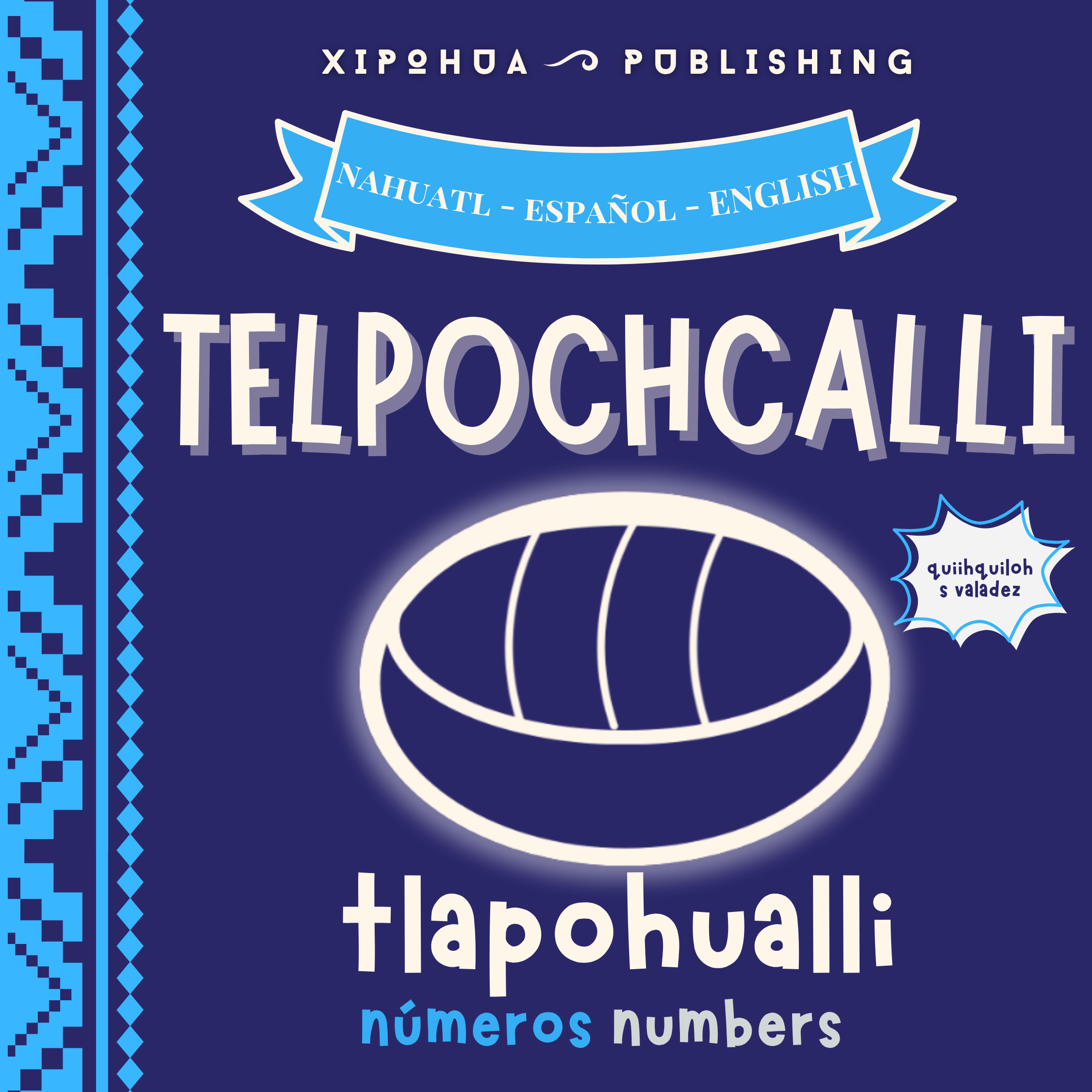
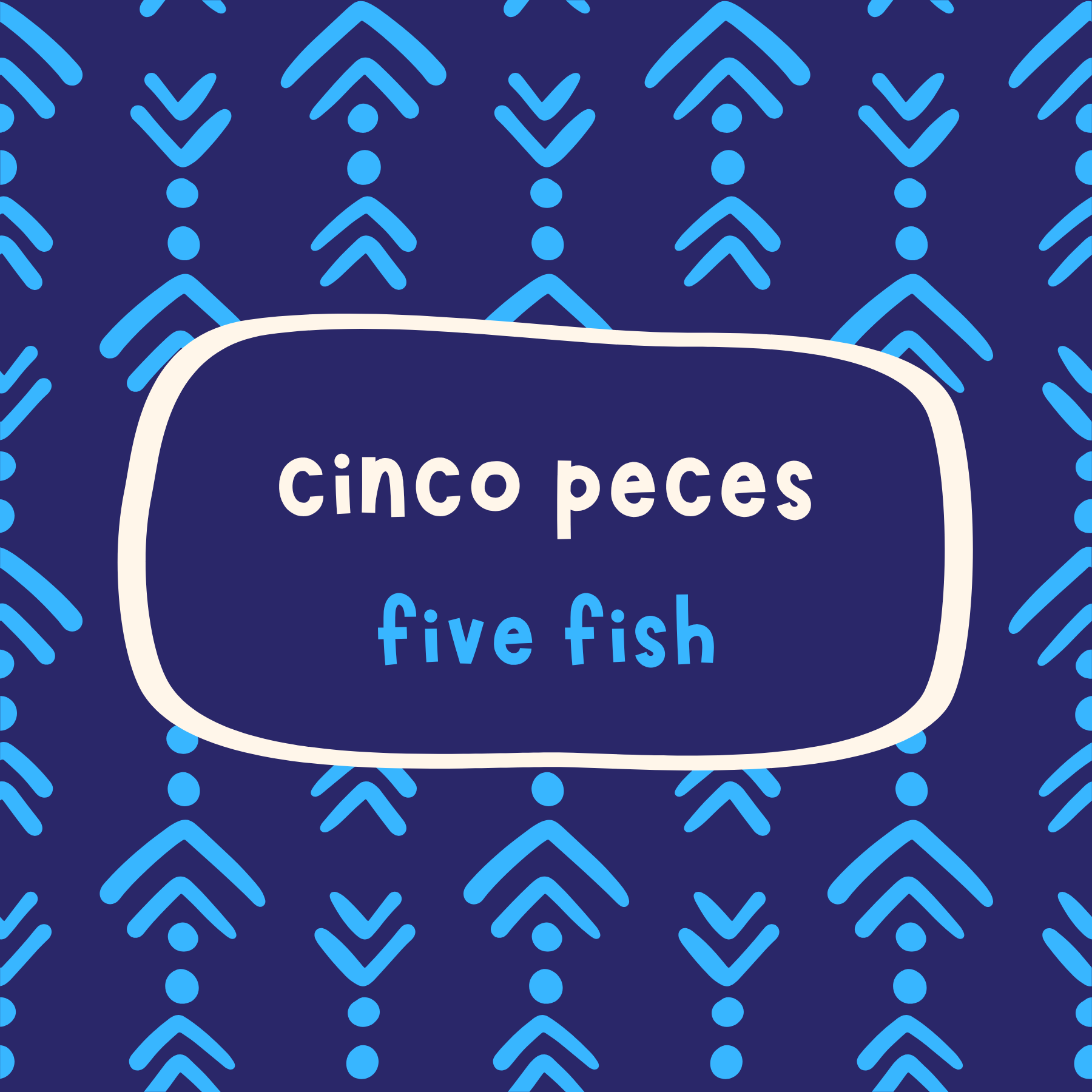
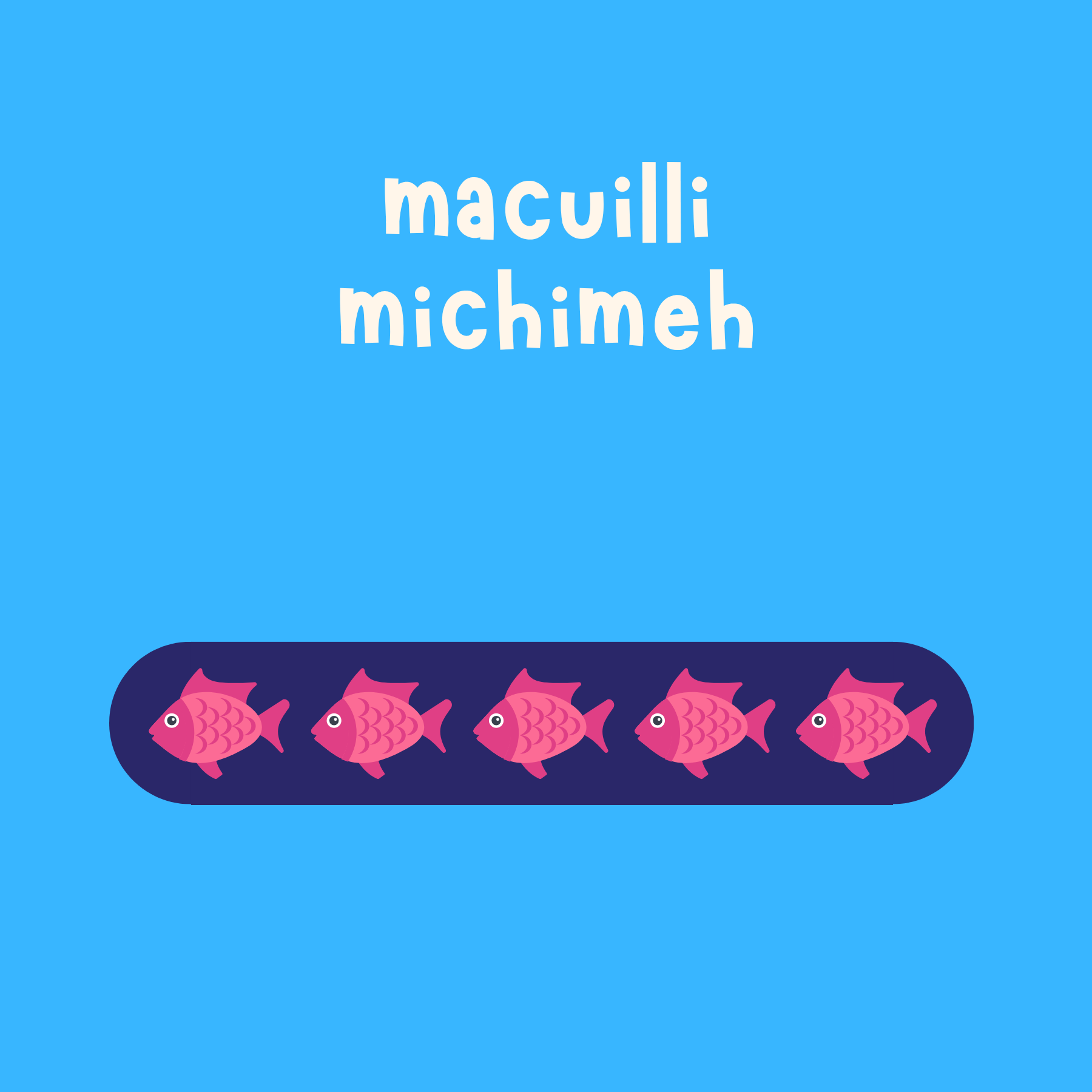
The “Telpochcalli” series features practical aspects of culture and educaiton, such as numbers and the veintena. Some of these books include illustrations from the codices, traditional ways of understanding mathematics, and material to promote the development of logical-based epistemologies.
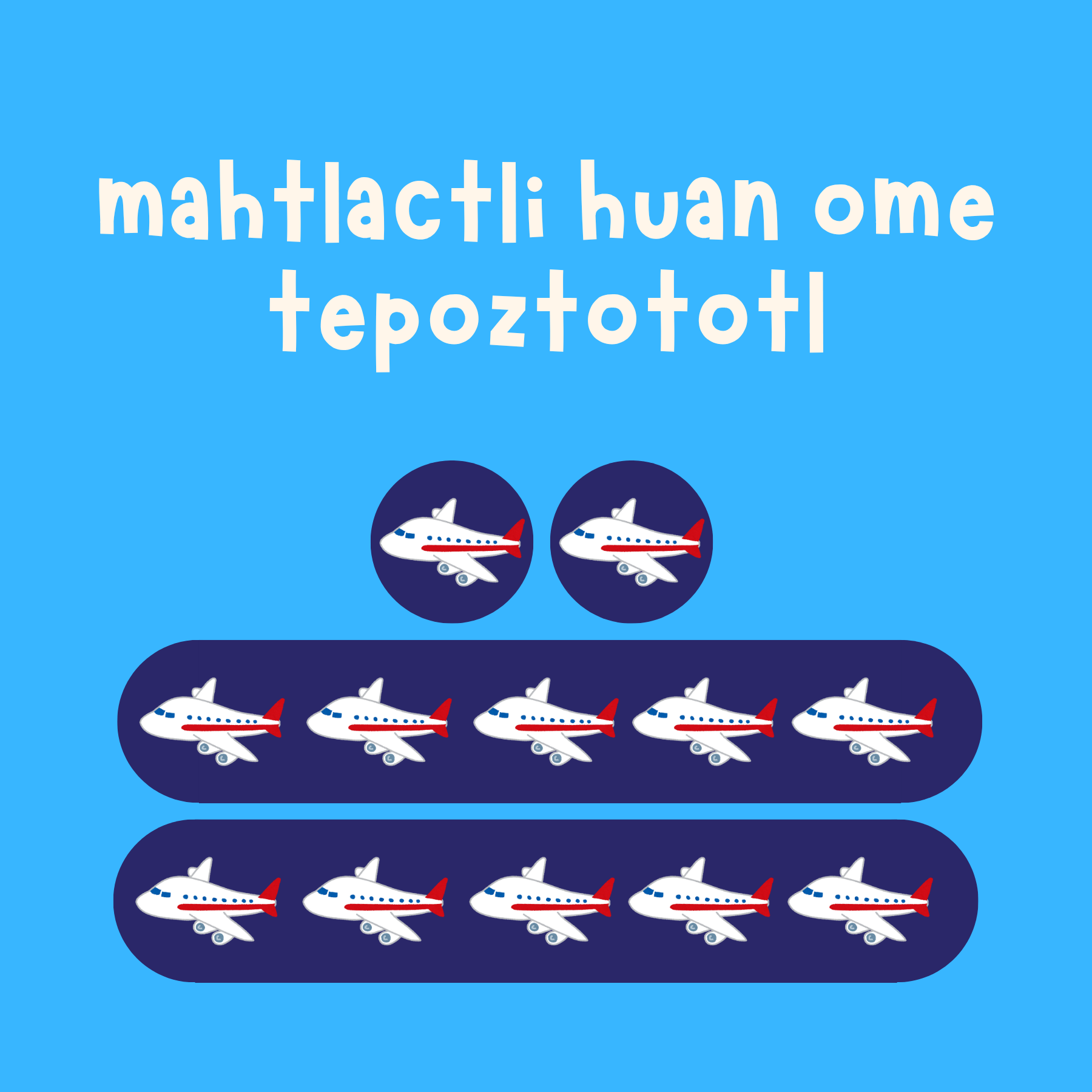
TLAPOHUALLI: NÚMEROS / NUMBERS
in Nahuatl-Español-English


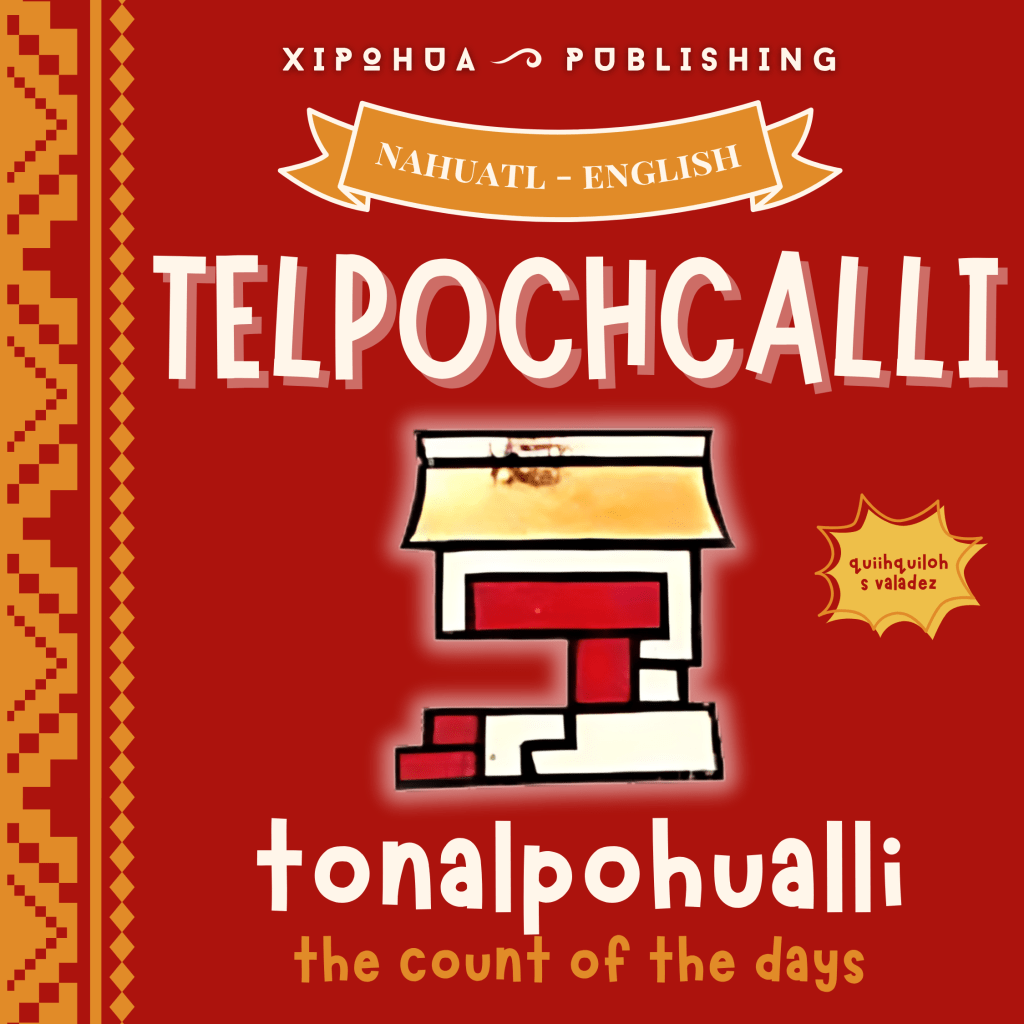
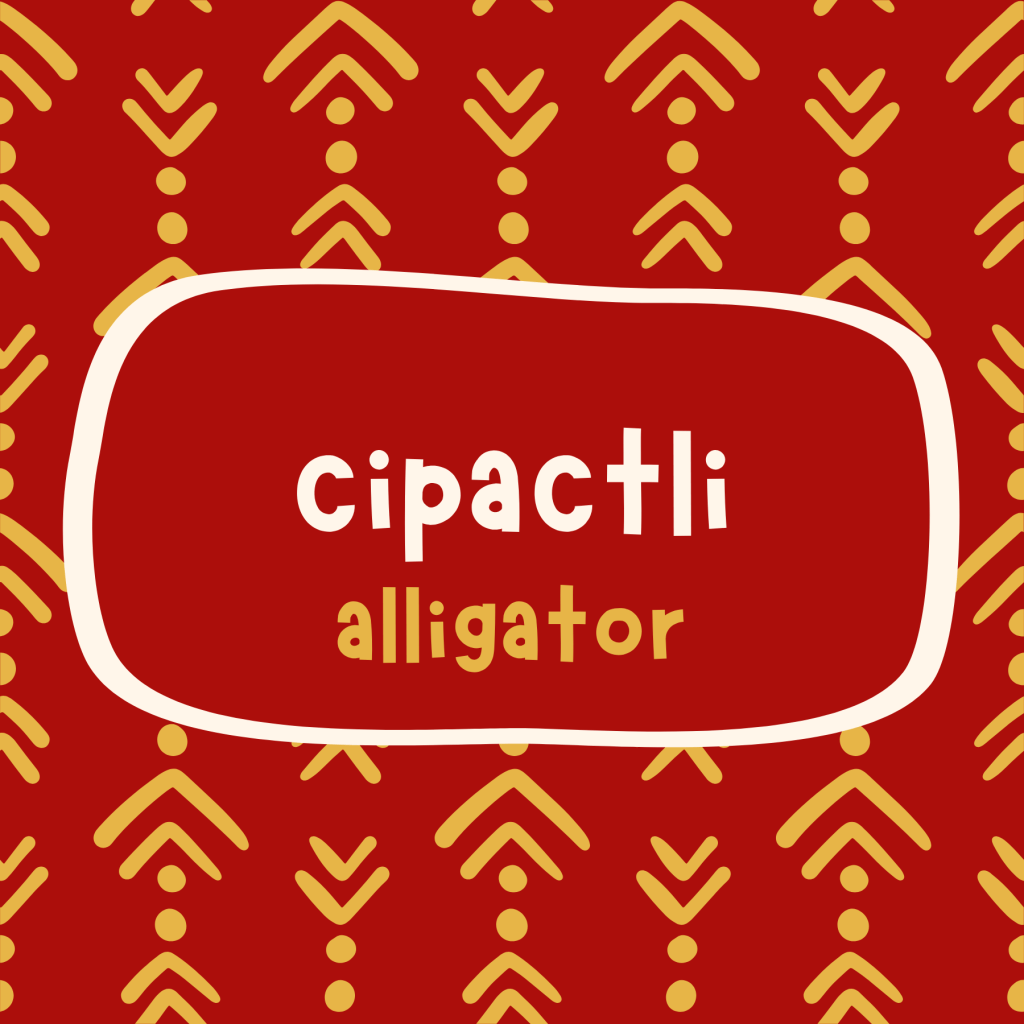
TONALPOHUALLI: CUENTA DE LOS DÍAS / THE COUNT OF THE DAYS
in Nahuatl-English and Nahuatl-Español





 Stephanie Valadez, M.M.